
This year’s Innovation Series explores how innovation and sustainability are shaping the future of farming. For our next event, we focus on one of the most pressing challenges facing the primary sector today: climate adaptation.
Challenging weather conditions and extreme events are part of farming and growing in Aotearoa New Zealand. Yet climate change will make these events more frequent and intense, and make growing conditions more difficult into the future. While some farmers and growers across the primary sector are experimenting with different ways to adapt to climate variability and anticipated future changes in climate, the complexity and uncertainty present challenges for the wider sector.
Join us to hear about the adaptation strategies that are effective now —from pasture and crop options better suited to changing conditions, to innovations in water management and whole-farm system redesign – and to explore wider sectoral perspectives on future action. They’ll share research, modelling, and on-farm examples that highlight practical pathways for building resilience in the face of climate uncertainty.
This special Innovation Series event will bring together experts from across research, industry, and farming and horticulture communities to spark an informed and future-focused discussion on how New Zealand farmers and growers can thrive in a changing climate.
Tuesday 20th October
10.00am - 3.30pm
S1, Stewart Building, Lincoln University
Programme
10.00am: Welcome
10.15am: Session 1 — Understanding the Challenge
Climate risk, variability and what it means for New Zealand’s primary sector
This opening session will set the scene for climate adaptation across Aotearoa New Zealand’s primary industries, exploring how changing climate conditions and extreme weather events are affecting farming and growing systems, and what research, modelling and industry experience tell us about the challenges ahead.
10.15am — Speaker 1: Anita Wreford, Lincoln University
Variability and future conditions for primary production
A research-led overview of changing climate conditions, emerging risks and what research tells us about the conditions New Zealand farmers and growers may need to prepare for.
10.35am — Speaker 2: Jo Sheridan, Owl Farm
Using science to inform on-farm adaptation
10.50am — Speaker 3: Michelle Barry, Independent
The interface between science and industry
11.05 - Speaker 4: Phil Journeaux, Journeaux Economics
The financial analysis of adaptation and implications for greenhouse gas emissions
11.20am — Panel discussion & Q&A
11.35am: Morning break
11.50am: Session 2 — Adaptation in Practice
What are farmers and growers doing differently?
This session will explore practical examples of adaptation across farming and horticulture, bringing together producers from different primary industries to share how they are responding to climate variability, changing growing conditions and preparing for future change.
Farmer and grower panel session
Richard Tosswill, Sheep and Beef Farmer, Wairarapa.
Fraser Tasker, Dairy Farmer, Canterbury
Nicholas Cradock-Henry, Earth Sciences NZ
Liam Burgess, Greystone Wines, Canterbury
1.00 pm: Lunch
1.55pm: Session 3 — Preparing for the Future
From individual adaptation to sector-wide resilience
The final session will broaden the conversation beyond individual farms and businesses to consider what is needed to support adaptation across the primary sector. Speakers will explore the role of industry, finance, policy, research and collaboration in enabling producers to respond to an uncertain future.
1.55pm — Speaker 1: Aslan Wright-Stow, Open Country Dairy
Building resilience across the primary sector
An industry perspective on the opportunities and challenges of climate adaptation
2.15pm — Speaker 2: Abby France, FMG
Managing future risk
A perspective on how climate-related risks are affecting primary producers and the role of the insurance sector in supporting adaptation.
2.35pm — Speaker 3: Sam Bridgman, Pāmu
Enabling adaptation across the primary sector
2.55pm — Panel discussion & Q&A
3.15pm: Closing summary
3.30pm: Event finishes
Our Speakers
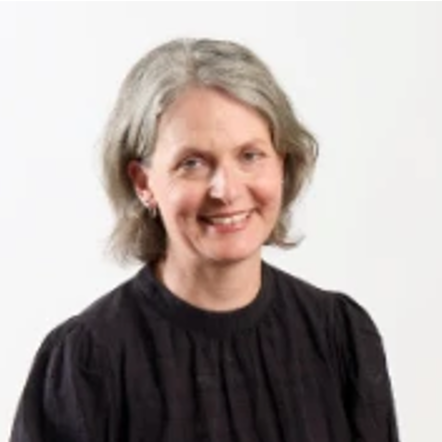
Prof. Anita Wreford, Lincoln University
I am an applied economist specialising in adaptation to climate change. I am based in the Faculty of Environment, Society and Design at Lincoln University, where I am currently the Associate Dean of Research. I have 25 years of research experience, across many areas of climate change adaptation, including economic evaluations of impacts and adaptation (focusing particularly on applying robust methods to deal with climate uncertainty); identifying and evaluating the effectiveness of adaptation options across sectors; risk assessment; community resilience to extreme weather events; and adaptation decision-making among various stakeholders. I led the Deep South National Science Challenge’s programme on Impacts and Implications from 2019 to 2024. I am a lead author on three Intergovernmental Panel on Climate Change (IPCC) reports: A Special Report on Climate Change and Land (2019), the Australasia chapter of the Sixth Assessment Report (2021) and currently on the Agriculture, Food, Fibre, Forestry and Fisheries chapter of the forthcoming Seventh Assessment Report. I am actively involved in several research projects and supervise PhD students.
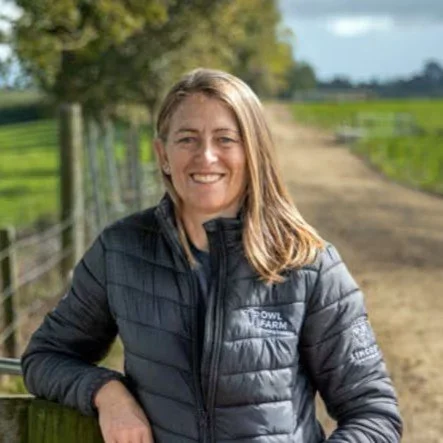
Jo Sheridan, Owl Farm
Jo Sheridan is a dedicated leader in the dairy industry, known for her passion for sustainability, education, and community engagement. Growing up on a dairy farm in South Taranaki, she developed a deep appreciation for agriculture, later earning a Bachelor of Applied Science (Honours) in Soil Science from Massey University.
With over 24 years of experience, Jo has worked in various roles at DairyNZ, served as an independent industry consultant, and currently leads as the Demonstration Manager at Owl Farm. She oversees a 140-hectare dairy farm, focusing on sustainable practices, farmer education, and youth engagement. Through hosting farm visits and working with schools, she inspires the next generation to embrace careers in food and fibre.
Beyond farming, Jo is active in governance, serving on school boards and industry committees. Her leadership, innovation, and mentorship make her a transformative force in New Zealand’s dairy sector.
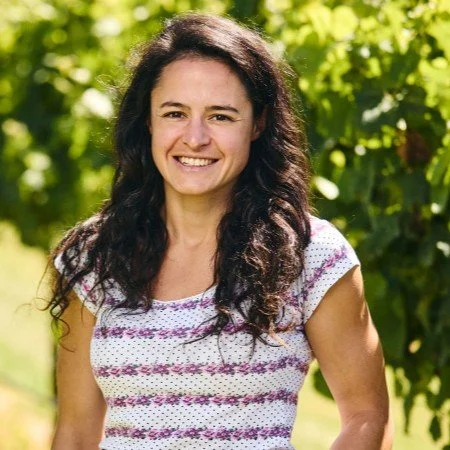
Michelle Barry, Emerald Wines
Michelle Barry worked in the agri-environmental sector before relocating from Ireland to New Zealand in 2015, where she started working in viticulture production. Since then, she has worked in vineyard management and wine production in both the Wairarapa and Marlborough.
Today Michelle works at Bragato Research Institute where she combines her background in environmental science and soil science with her experience in production to help winegrowers achieve better soil health outcomes on vineyard and how to communicate these outcomes to consumers.
Michelle is also studying for a PhD in agro-ecological economics with the Agribusiness and Economics Research Unit at Lincoln University, her research will look at how biological and geographical diversity can increase vineyard resilience to future climate challenges. Michelle runs a small wine company, Emerald Wines, with her partner Tom.
Phil Journeaux, Journeaux Economics
Phil Journeaux is an agricultural specialist who has dedicated his life to working in the industry, including 35 years with the Ministry of Agriculture and Forestry.
Now, as a rural consultant and agricultural economist for AgFirst Waikato, he specialises in supporting farmers with farm business planning and decisions – particularly pertaining to environmental management and sustainability.
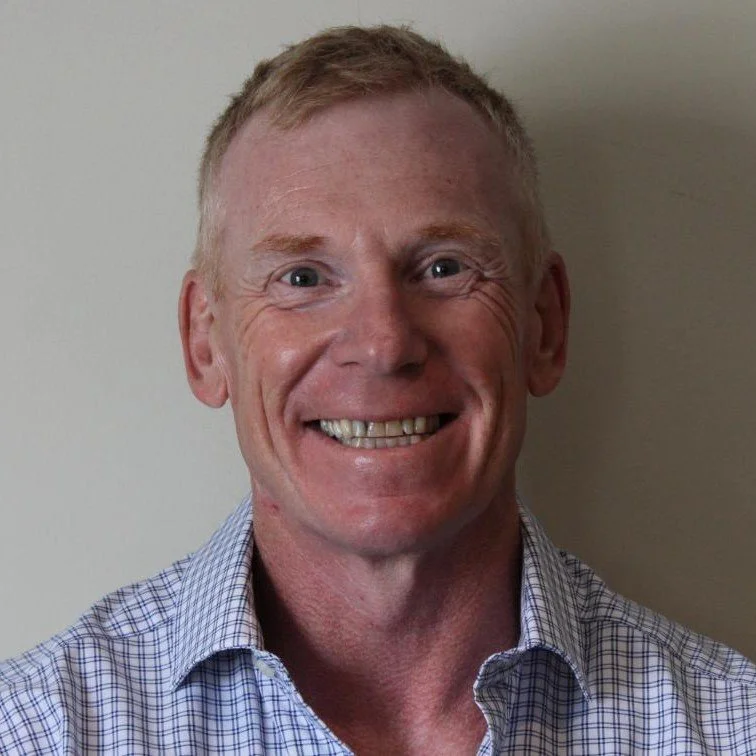
Fraser Tasker, Dairy Farmer
Fraser Tasker, alongside his wife Lisa, runs a diverse farming operation in Ruapuna, Mid Canterbury.
Their enterprise consists of a 152-hectare dairy farm and a 184-hectare support and stock trading property. They peak milk 585 cows, with the support block providing wintering for all cows and accommodating replacement heifers, Beef X heifers, Friesian and Beef X bulls, as well as trading sheep, including store lambs and in-lamb ewes. The variety of livestock they manage depends on seasonal factors and earning potential.

Nicholas Cradock-Henry, Earth Sciences NZ
As an experienced research scientist, I lead and manage a range of work focused on enhancing resilience to global change processes in coupled human-natural systems. This work is supported through funding from RSNZ Marsden Fund, MBIE - through the Resilience to Nature's Challenges and Deep South National Science Challenges, the Ministry for Primary Industries' Sustainable Land Management and Climate Change fund, and more. I work closely with stakeholders and end-users on targeted and strategic research to enable adaptation to climate change, reduce vulnerability from low-frequency, high-impact events, and enhance science-policy outcomes. I collaborate with national and international colleagues, and my proactive approach to seeking and securing science investment has resulted in numerous productive working relationships with researchers across various disciplines, as well as external organisations.
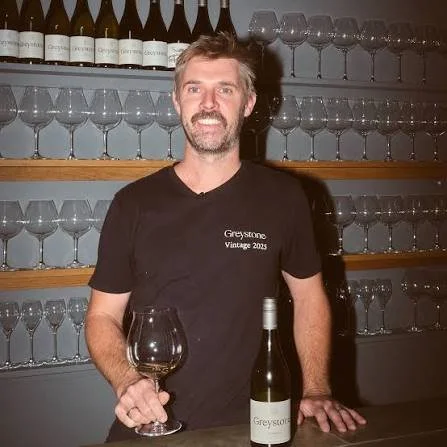
Liam Burgess, Greystone
Liam Burgess oversees one of the region’s most progressive and thoughtfully-run vineyards.
The setting is dramatic, but it is also demanding. Steep hills, shifting soils, frequent frosts, and unpredictable rainfall combine to create one of New Zealand’s most challenging wine growing environments. For Liam and his team, success has come not from fighting those conditions, but from learning to work with them.
Greystone is a 50-hectare certified organic vineyard set within around 120 hectares of farmland. The original plantings went into the ground in 2004 and 2005, at a time when organic viticulture was still far from mainstream in New Zealand. For its first decade, the vineyard was farmed conventionally.
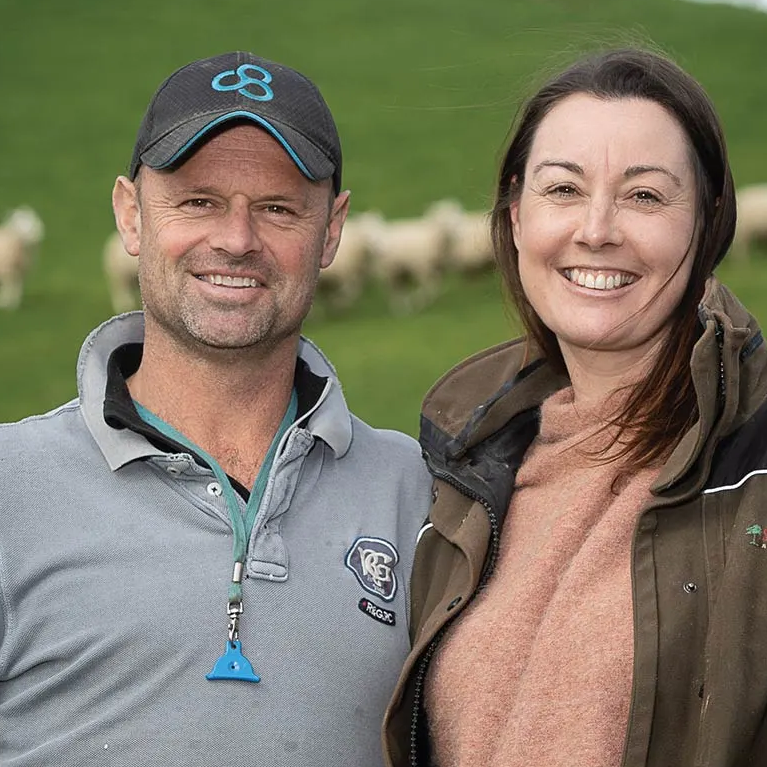
Richard Tosswill
Richard and Becks Tosswill's farming operation is described by the Greater Wellington Ballance Farm Environment Awards judges as an "innovative and forward-thinking farm driven by a passion for change through social responsibility and commitment to further the future of New Zealand farming". The Tosswills, who have won the region's supreme award, have been farming Te Awaawa, a 646ha sheep and beef hill country property near Masterton for the past 10 years. The couple farm 3000 texel-cross ewes with 1000 replacement ewe lambs. They have reviewed their sheep policies and added a trading component in the past few years to provide flexibility in their summer dry environment. They run 100 angus breeding cows and 20 to 25 replacements are mated and calved as two year olds.
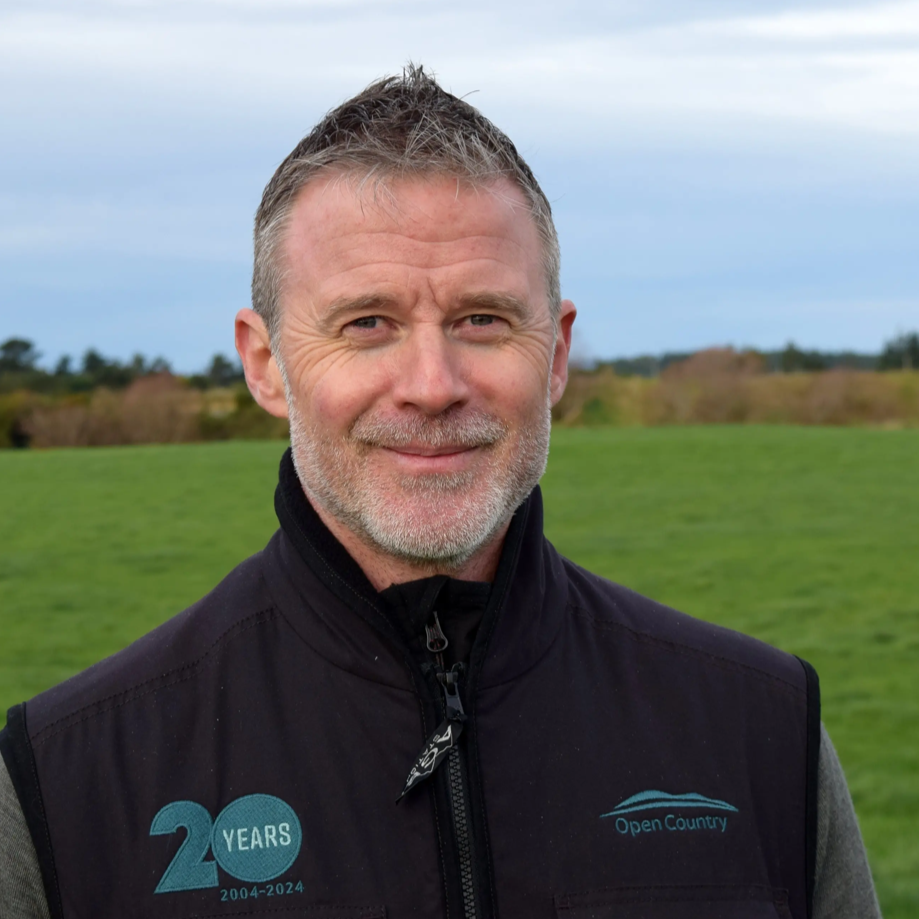
Aslan Wright-Stow, Open Country Dairy
Focused on delivering sustainability that works for farmers, customers, and the environment. At Open Country, I lead our sustainable milk initiatives – partnering with global customers to support the purchase of sustainably produced milk and ensure assurance systems are robust and fit-for-purpose. I work with farmers to help them understand their on-farm sustainability options, access market recognition (including premiums), and make changes that are good for both the environment and farm performance. I lead our science programme to build New Zealand’s sustainability knowledge base and give farmers the confidence to act, backed by evidence and data insights. Across our work, we focus on turning information into action – helping farmers implement practical, achievable improvements across all areas of sustainability, from emissions and biodiversity to water quality and soil health.
I also work with Government and sector partners to help shape sensible, pragmatic rules that drive meaningful environmental progress. At the heart of it all is a belief in win-win outcomes – where reducing environmental footprint goes hand-in-hand with improving productivity, profitability, and market opportunity.

Abby France, FMG
Abby France grew up on a farm in Central Otago before attending Lincoln University, where she not only earned her degree but also met her husband, Dave. The couple moved to Geraldine, where they farmed deer for 10 years before selling the farm in 2020 to pursue a new opportunity. In the time since, they welcomed two daughters into their family and moved to a 12.5-hectare lifestyle block, continuing farming just on a much smaller scale! By day Abby is the Advice Product Manager at FMG Insurance, is a registered celebrant, and co-owns the Hanmer Springs and Wanaka Fetes. Her LinkedIn profile fittingly describes her as a “wearer of many hats.” Involved with the local trust for over a decade, she’s passionate about supporting the community and local farmers and growers.
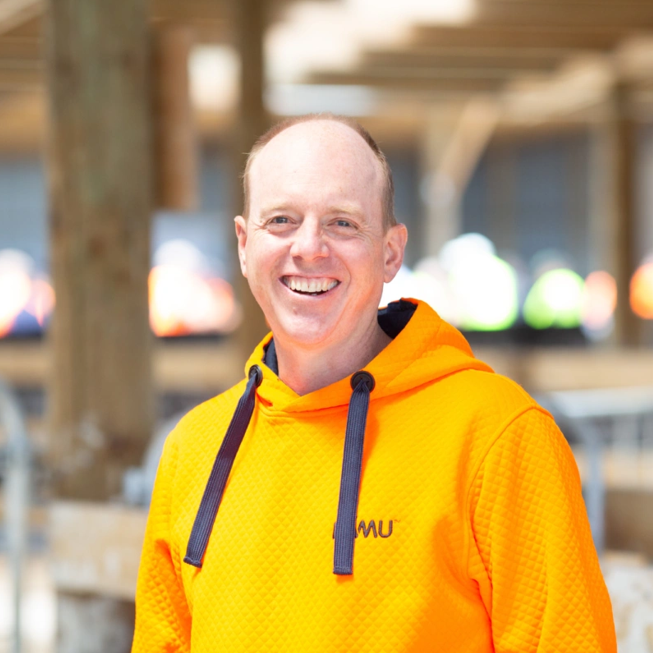
Sam Bridgman, Pāmu
Sam leads the Pāmu sustainability function, covering climate, emissions, freshwater, biodiversity, and sustainability‐linked finance. He works across the business to integrate environmental performance with commercial decision‐making and risk management. Sam has experience engaging with regulators, financial institutions, and industry groups, and focuses on credible, evidence‐based approaches that support long‐term farming resilience.
Click here to see more events