
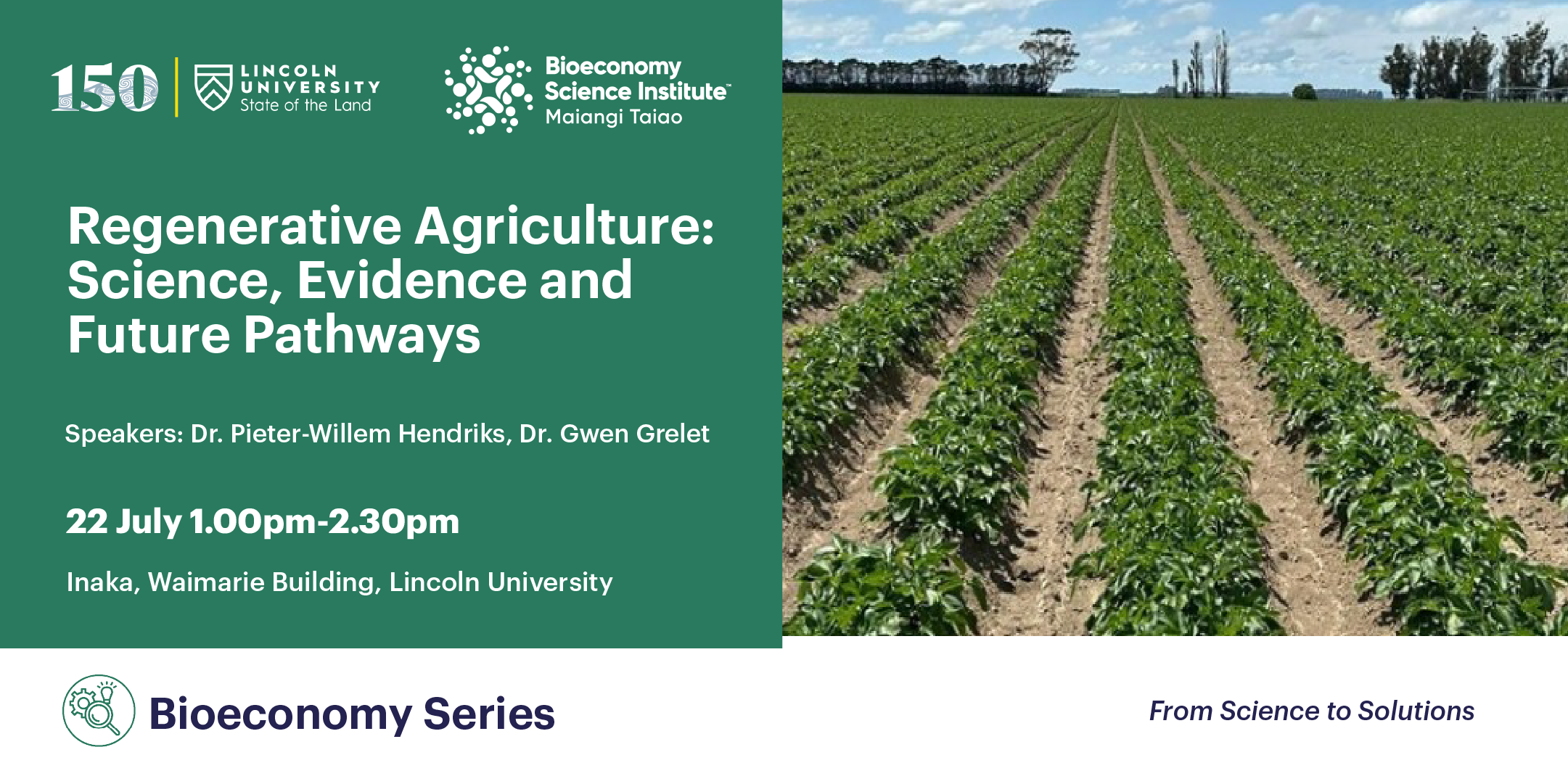
The Bioeconomy Series brings together research, innovation and real-world application to explore how science is shaping the future of land-based systems in Aotearoa. The series connects students, staff and partners through informed discussion on emerging opportunities and challenges.
This session focuses on regenerative agriculture — an approach often promoted as a pathway to healthier soils, stronger ecosystems and more resilient farming systems. But what does “regenerative” mean in practice? How can it be measured? And what does the evidence tell us about its environmental and economic outcomes?
Dr. Gwen Grelet (Bioeconomy Science Institute) will highlight the role of innovation, technology and the wider bioeconomy in supporting regenerative approaches. Dr Pieter-Willem Hendriks (Lincoln University) will share insights from his research on soil–plant interactions and land-use systems that support long-term sustainability.
Together, the speakers will examine the evidence, challenges and potential of regenerative practices — from productivity and resilience to the realities of scaling solutions across diverse landscapes.
Join us for a thoughtful discussion on how science and innovation are informing regenerative agriculture and what this could mean for the future of farming and sustainability in Aotearoa.
Wednesday 22nd July
1.00pm-2.30pm
Inaka, Waimarie Building, Lincoln University
Timings
1:00 – 1:10 pm | Welcome and introductions
1:10 – 1:25 pm | Presentation 1 – Dr. Gwen Grelet, Bioeconomy Science Institute
1:25 – 1:40 pm | Presentation 2 – Dr. Pieter-Willem Hendriks, Lincoln University
1:40 – 2:10 pm | Moderated discussion and audience Q&A
2:10 – 2:30 pm | Networking
About Our Speakers
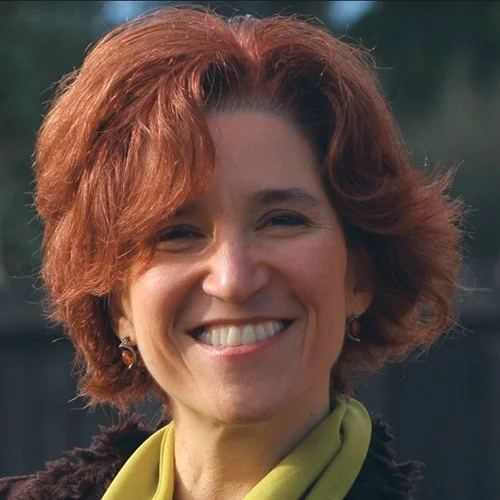
Dr. Gwen Grelet, Bioeconomy Science Institute
Dr. Gwen Grelet is a Senior Researcher in Regenerative Ecosystem Management (Land Use & Ecosystems) at the Bioeconomy Science Institute (formerly Manaaki Whenua – Landcare Research). Her research focuses on soil health, biodiversity, and regenerative land-use systems that enhance ecosystem function while supporting productive landscapes. Gwen works across disciplines to develop practical, science-based approaches that strengthen resilience, restore ecological integrity, and help land managers transition toward more sustainable and regenerative practices.
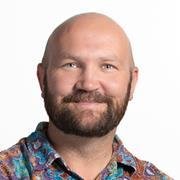
Dr. Pieter-Willem Hendriks, Lincoln University
My area is arable crop production, phenotyping and breeding. I have a specific interest in below-ground crop development and interactions. My recent research evolved around wheat- weed interactions and the improvement of the competitive ability of wheat. Competition with weeds is an ongoing problem in wheat production. The cost of weeds, increasing concerns around food safety, soil health, herbicide resistance and the reduction in the release of novel products suggest a need for an integrated weed management approach. Improving the competitive ability of wheat is one of the tools available in this integrated weed management. We studied the impact of the selection for and the breeding with increased early shoot vigour on the competitiveness of wheat. A particular focus was set at below ground root architecture and allelochemical interactions. Currently I am trying to set up a breeding effort to find solutions for the New Zealand Potato Industry. I would like to develop the speed breeding and phenotyping capacity at Lincoln University.
Click here to see more events