
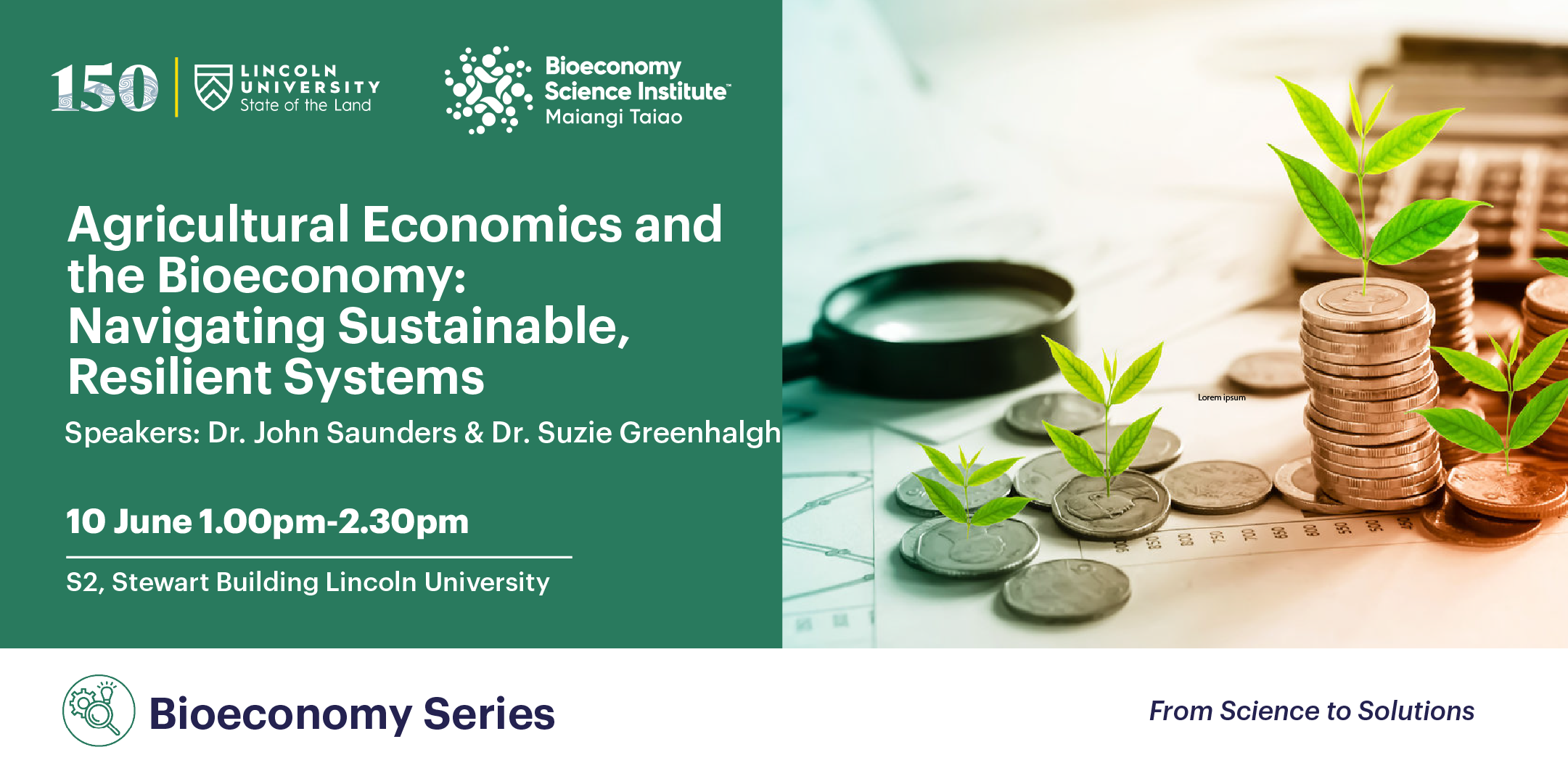
Agricultural economics plays a critical role in shaping the future of land use and bio-based industries in Aotearoa New Zealand. As the sector faces mounting pressures from climate change, global markets and shifting consumer expectations, understanding the economic forces, incentives and policies that drive sustainable and resilient farming systems has never been more important. By integrating economic insights with scientific research and industry practice, this approach provides pathways to optimise productivity, environmental stewardship and long-term viability.
Modern agricultural economics considers not only profitability but also the broader social, environmental and cultural impacts of land-based production. This includes assessing how policy, trade and market mechanisms can support regenerative practices, enhance resource efficiency and promote equitable outcomes for farmers, communities and ecosystems. It also explores innovative approaches to risk management, investment and valuation that can help the sector adapt to uncertainty and change.
This session will examine how economic research and policy analysis are informing the development of sustainable and resilient agricultural systems in Aotearoa. Dr. John Saunders will draw on his expertise in agricultural economics and policy to discuss the opportunities and challenges facing farmers, industry and communities, while Dr. Suzie Greenhalgh from the Bioeconomy Science Institute will highlight how economic insights can be integrated with science and innovation to guide decision-making and investment in the bioeconomy.
Join us for an engaging and forward-looking discussion on how agricultural economics is shaping the future of the bioeconomy in Aotearoa, offering insights for researchers, industry leaders, policymakers and communities working towards productive, sustainable and resilient land-based systems.
Wednesday 10th June
1.00pm-2.30pm
S2, Stewart Building, Lincoln University
Timings
1:00 – 1:10 pm | Welcome and introductions
1:10 – 1:25 pm | Presentation 1 – Dr. Suzie Greenhalgh, Bioeconomy Science Institute
1:25 – 1:40 pm | Presentation 2 – Dr. John Saunders, Lincoln University
1:40 – 2:10 pm | Moderated discussion and audience Q&A
2:10 – 2:30 pm | Networking
About Our Speakers
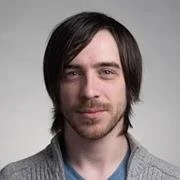
Dr. John Saunders, Lincoln University
I work in the area of agricultural economics research. My expertise is the development and use of modelling for forecasting agricultural production and markets. I primarily use Visual Basic for Applications and the General Algebraic Modelling System for developing analytical and statistical tools including economic trade models; particularly partial equilibrium models. I also design, update, and maintain in-house models used at the AERU. These models include both regional and globally focused structures and have been used to assess a range of research topics such as: nitrate limits, trade restrictions, free-trade agreements, climate change and associated policy impacts, consumer preferences and behaviour, increases in irrigated areas, and challenges to bio-security. I was commissioned by the Trade and Agriculture Directorate of the Organisation for Economic Co-operation and Development (OECD) to develop a new model to assess challenges to agriculture over the long-term. This new model has a very high impact, and will be used for OECD policy analysis on the development of agricultural markets over the long-term, and to inform price projections in the medium-term.
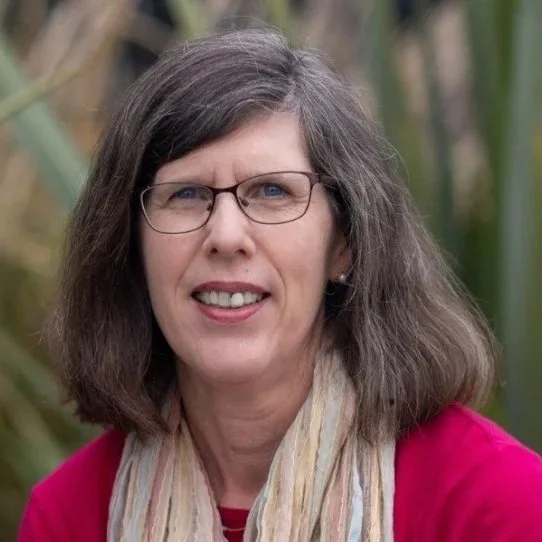
Dr. Suzie Greenhalgh, Bioeconomy Science Institute
Dr. Suzie Greenhalgh is a Group Principal Researcher at the Bioeconomy Science Institute (formerly Manaaki Whenua – Landcare Research). She is an environmental economist with extensive experience in natural resource and environmental policy, specialising in the economic impacts of land use, climate change, and freshwater management. Suzie works at the interface of science, policy, and practice, helping translate complex environmental challenges into practical, evidence-based solutions for decision-makers and industry.
Click here to see more events