
Join us at Lincoln University for a special address by distinguished alumnus Professor Julian Rayner, Director of the Cambridge Institute for Medical Research and recipient of the 2025 Lincoln University Global Science Medal.
An internationally recognised leader in malaria research, Professor Rayner has dedicated his career to understanding the biology of malaria parasites and translating scientific discoveries into new approaches to tackling one of the world's most significant infectious diseases.
His pioneering research is helping advance the development of vaccines and life-saving treatments, with important implications for global health. This special address will offer an opportunity to hear about the progress being made in malaria research, the challenges that remain and the role of scientific discovery in addressing major global health challenges.
Join us to hear about Professor Rayner’s internationally recognised research and the important work being done to tackle malaria and improve global health.
Thursday 10 December 2026
11.00am–12.30pm
S2, Stewart Building, Lincoln University
11.00am - Welcome and introduction
11.10am – Keynote Speaker
12.00pm - Audience Q&A with Professor Rayner.
12.30pm – Event ends
About Our Speaker
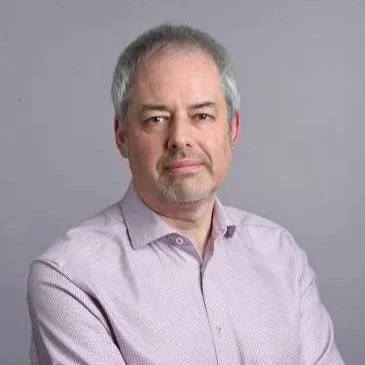
Professor Julian Rayner
Professor Julian Rayner, FMedSci is the Director of the Cambridge Institute for Medical Research (CIMR) and Chair of Cell Biology in the School of Clinical Medicine at the University of Cambridge. A leading malaria researcher, his work focuses on understanding how Plasmodium parasites recognize, invade, and manipulate human red blood cells—using large-scale genetic screens and cellular approaches to identify novel targets for malaria drugs and vaccines.
Originally from New Zealand, Professor Rayner earned his BSc(Hons) from Lincoln University before completing his PhD at the MRC Laboratory of Molecular Biology in Cambridge. Following postdoctoral research at the US Centers for Disease Control and Prevention (CDC), he held faculty and senior leadership roles at the University of Alabama at Birmingham and the Wellcome Sanger Institute, where he also served as Director of Wellcome Connecting Science for a decade. Elected a Fellow of the Academy of Medical Sciences, he works closely with research partners across malaria-endemic regions to advance global health research and capacity building.
Click here to see more events