
This year’s Innovation Series continues to explore how innovation and sustainability are shaping the future of farming in Aotearoa New Zealand. Our next event turns to regenerative agriculture — a concept that has generated significant debate, curiosity and experimentation across the primary sector.
Rather than beginning with theory, regenerative agriculture in New Zealand has largely emerged from farmer-led experimentation and practical innovation. As interest evolves, the focus is shifting toward understanding the evidence, defining what regenerative agriculture means in a New Zealand context, and assessing where it can deliver real value.
Can regenerative approaches improve soil health, biodiversity and resilience while supporting productive and profitable farm systems? What does the science tell us so far, and where are the gaps? How are farmers interpreting and applying regenerative principles on the ground? And how might markets, data and policy shape the future of adoption?
Join researchers, practitioners, advisors and policymakers as they explore regenerative agriculture from practice through to evidence. Together we will examine what regenerative agriculture is — and isn’t — where it fits within broader agroecological thinking, and what it could mean for the future of land-based production in New Zealand.
Tuesday 7 July
9.00am - 3.30pm
S1, Stewart Building, Lincoln University
Programme
9.00am — Welcome
Session 1: Understanding Regenerative Agriculture: Concepts and science forecasts/predictions
This opening session establishes the foundations: how regenerative agriculture is defined and what the science currently tells us about how it might affect soils, freshwater and nutrient cycling in New Zealand systems.
9.10am — Dr Charles Merfield (Merfield Agronomy Ltd)
What is regenerative agriculture — and what is it not?
Provides an overview of regenerative agriculture in the New Zealand and global context, its relationship to agroecology and other alternative systems, and key areas of agreement and debate.
9.25am — Prof Pablo Gregorini (Lincoln University)
Grazing management for integral health
Explores how grazing management, plant diversity and animal behaviour interact to influence pasture productivity, ecosystem function and system resilience.
9.40am — Prof Brett Robinson (University of Canterbury)
System drivers: policy, economics and land-use intensification in New Zealand
Examines how policy, regulation and economic incentives shape farming systems in New Zealand, and what this means for the feasibility of regenerative agriculture delivering environmental improvements at scale.
9.55am — Dr Richard Williams (Earth Sciences NZ)
Land management and freshwater outcomes: what the evidence shows
Examines how different farming systems influence nutrient loss, sediment transport and freshwater quality, drawing on evidence from New Zealand catchments and long-term monitoring.
10.10am — Distinguished Professor Leo Condron (Lincoln University)
Soil fertility and nutrient cycling in pasture systems
Explains how nitrogen and phosphorus cycling underpin pasture productivity and how emerging management approaches interact with established soil science.
10:25am – Dr Nick Smith (Bioeconomy Science Institute)
Regenerative agriculture and food quality: what do we know so far?
Explores the emerging evidence around how regenerative farming practices may influence food quality, nutritional value and consumer perceptions, and where further research is needed.
10.40am — Q&A
10.50am — Break
Session 2: From Principles to Practice: Regenerative Farming on the Ground
This session focuses on how regenerative ideas are interpreted and applied at farm scale, and the realities of transition and risk management.
11.20am — Mark Koopmans (Sheep & Beef Farmer)
On-farm transition and system resilience
Practical experience of shifting farm systems and managing change.
11.35am — David Birkett (Canterbury Arable Farmer)
Lessons from implementation
Reflections on challenges, trade-offs and measurable outcomes.
11.50pm — Sam Lang (Groundshift)
Data, evidence and demonstrating impact
Discusses barriers and enablers to adoption, how farm-level data can be collected cost-effectively to demonstrate environmental and social outcomes while meeting the expectations of investors, customers and supply-chain partners.
12.00pm — Q&A
12.10pm — Lunch Break
Session 3: Beyond the Farm Gate: Markets, Communities and Value Creation
This session explores how regenerative agriculture is perceived beyond the farm gate and what opportunities it may create for New Zealand producers, exporters and communities.
12.55pm — (TBC)
Māori agribusiness perspectives and market opportunities
Examines regenerative agriculture through a Māori agribusiness lens and discusses how credence attributes, provenance and values-based production influence market access and consumer demand.
1.10pm — Dr John Saunders (Lincoln University)
The economic opportunities and implications of regenerative agriculture
Explores the potential economic benefits, trade-offs and market opportunities for New Zealand if regenerative practices become more widely adopted, or NZ food products were traded as regenerative, leaning on his work in international trade modelling.
1.25pm — Haley Jones (University of Canterbury)
How regenerative agriculture is perceived beyond the farm gate
Explores how consumers, retailers, brands and supply-chain actors understand regenerative agriculture, and what it may mean for trust, social licence and the rural-urban divide.
1.40pm — Q&A
1.50pm — Break
Session 4: Building the Evidence Base for New Zealand: Research, Innovation and measured outcomes
This session examines how regenerative agriculture is being tested and evaluated and subsequently adapted to New Zealand through research and industry-led innovation, with a focus on environmental outcomes and future evidence needs.
2.00 pm - Dr Gwen Grelet (Bioeconomy Science Institute)
Evidence from commercial farms
Provides an overview of overseas studies of commercial farmers, and preliminary insights from NZ early adopters
2.15pm — Dr Dan Bloomer (LandWISE)
Regenerative farming in intensive process cropping
Shares insight from intensive process cropping trials - how can regenerative agriculture principles be integrated into planning and decision-making, with a particular focus on soil carbon and the trade-offs between productivity, profitability and environmental outcomes.
2.30pm — Clare Buchanan (Align Farms)
Industry-led innovation and farm-scale experimentation
Shares insights from an independently funded farm-scale regenerative agriculture experiment, exploring the opportunities and challenges of generating practical evidence outside traditional government-funded programmes.
2.45pm — Assoc. Prof. Lucy Burkitt (Massey University)
Research-led farmlet-scale regenerative pastoral farming trials
Provides insights from one of New Zealand's largest regenerative pastoral farming research programmes, including findings relating to plant diversity, nutrient leaching, and animal performance.
3.00pm — Q&A
3.10pm — Summary & conclusions
3.20pm – Event finishes
Our Speakers
MC - Dr Pieter-Willem Hendriks, Lincoln University
My area is arable crop production, phenotyping and breeding. I have a specific interest in below-ground crop development and interactions. My recent research evolved around wheat- weed interactions and the improvement of the competitive ability of wheat. Competition with weeds is an ongoing problem in wheat production. The cost of weeds, increasing concerns around food safety, soil health, herbicide resistance and the reduction in the release of novel products suggest a need for an integrated weed management approach. Improving the competitive ability of wheat is one of the tools available in this integrated weed management. We studied the impact of the selection for and the breeding with increased early shoot vigour on the competitiveness of wheat. A particular focus was set at below ground root architecture and allelochemical interactions. Currently I am trying to set up a breeding effort to find solutions for the New Zealand Potato Industry. I would like to develop the speed breeding and phenotyping capacity at Lincoln University.
Dr. Charles Merfield
Charles, better known as Merf, has a diverse background in organic horticulture and agriculture both managing farms and undertaking research and extension in a range of countries. He therefore has a deep knowledge of real-world farming and science which means he is able to effectively bridge these two arenas to ensure that research will be applicable and implementable on-farm and that farmers understand the problems and limits of what research can achieve.
Prof. Pablo Gregorini, Lincoln University
I am the Professor of Livestock Production & Agricultural Systems at Lincoln University, as well as the director of the Lincoln University Pastoral Livestock Production Lab’ and Head of the Lincoln University Centre of Excellence for Designing Future Productive Landscapes. Internationally, I chair the International Scientific Committee for the Nutrition of Herbivores, and serve in the International Scientific Committee for farm systems design. Recently, I joined the International Scientific Board of ALEPH (Interdisciplinary consortium of scientist working on ‘the role of Animal Foods in Healthy, Sustainable and Ethical Diets), and I have been induced by invitation to NITRO-Oceania, Network of Interdisciplinary Research Organizations-Oceania.
Professor Brett Robinson, University of Canterbury
Confidence in New Zealand’s food products and the marketing of NZ as “100% pure” rely on our land-based industries combining a high level of production while minimising the entry of contaminants into foods or local environments. New Zealand’s economy is vulnerable if contaminant are found in NZ produce or our land and water becomes degraded to the point where it reduces the tourist dollars spent here. Biowastes (wastes of biological origin) are arguably the most important contributor to the degradation of New Zealand’s economy and environment when they enter waterways, contaminate high-value land, or require costly disposal. Biowastes in the form of nutrient-rich animal and human wastes currently contaminate rivers, lakes, and harbours. Most of New Zealand’s biosolids go to landfills - at great expense. Pine waste is dumped in large piles that leach tannins and degrade waterways and composts made from municipal green waste are under-utilised.
I seek to create economic and environmental value from biowastes by ensuring that biowastes and the nutrients they contain improve our soils rather than degrade our waters. While the programme is based on Environmental Chemistry, it requires significant contributions from ecologists, ecotoxicologists, microbiologists, experts in land management, social scientists and Māori knowledge.
Dr Richard Williams (Earth Sciences NZ)
Richard is passionate about leading impactful science that enables sustainable development and use of our planet’s land and water environments. He has developed science strategy and led large, international, multi-disciplinary projects. Richard has led research that has evaluated river restoration, used big data to quantify river morphodynamics, assessed the impact of mining on water quality, and simulated natural flood management approaches in river, estuarine and coastal settings. Until June 2025, Richard was Professor of River Science and Director of Research at the School of Geographical and Earth Systems at the University of Glasgow, Scotland.
Dist. Prof. Leo Condron, Lincoln University
During his career, Professor Condron has developed and maintained an extensive network of research partnerships in Aotearoa and internationally, including collaborations with researchers in Australia, Brazil, Canada, Chile, Germany, Sweden, Switzerland, UK and USA.
Since publishing his first paper in 1985, Professor Condron has published 314 articles, contributed more than 50 papers in leading science journals, authored or co-authored 15 book chapters and delivered to two major reports on the status of New Zealand soils for the United Nations.
He has been a Fellow of the New Zealand Society of Soil Science since 2008 and a Fellow of the British Society of Soil Science since 2015.
Dr. Nick Smith, Bioeconomy Science Institute
Dr. Nick Smith is a Senior Scientist in Sustainable Nutrition at the NZ Institute for Bioeconomy Science, an Associate Investigator in the Riddet Institute, and an Honourary Research Associate of Massey University. He holds degrees in mathematics and nutritional science from Swansea University (UK) and Massey University. His expertise is in mathematical modelling of food systems and human nutrition.
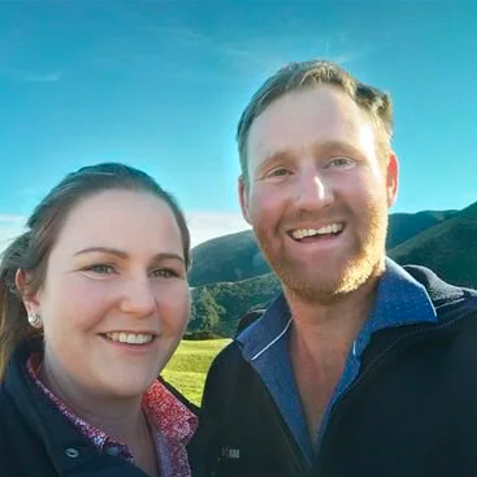
Mark Koopmans, Canterbury Sheep & Beef Farmer
Mark Koopmans is a Canterbury sheep and beef farmer based near Kaikōura, where he and his wife Laura operate a diverse hill-country farming business. With a strong focus on regenerative agriculture, Mark has spent the past decade developing low-input, resilient farming systems that enhance soil health, biodiversity, and farm profitability. He is a regular host and speaker at farming field days, sharing practical insights on grazing management, drought resilience, and sustainable livestock production.
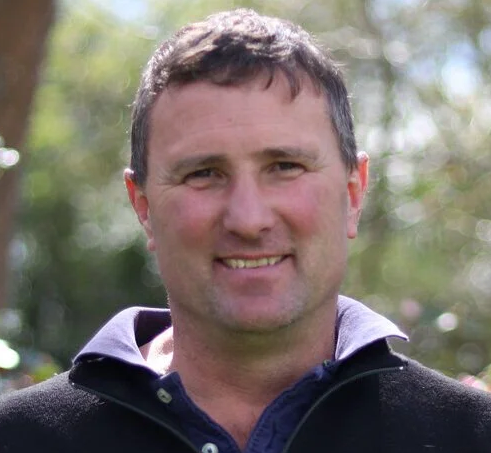
David Birkett, Canterbury Arable Farmer
An early board member and Treasurer for Quorum Sense, David Birkett is an arable grower from Leeston who’s developed a low input, high output farming system using conservation growing techniques that was featured in our ‘Regenerative arable transitions’ case study. He has been involved in numerous industry governance roles at both local and national levels, including Past Chair of Foundation for Arable Research for 7 years. A passion for research and finding new growing techniques is what led him to Quorum Sense. He stepped down from active board duty in May 2022.
David Birkett farms near Leeston, Canterbury on Temuka Silt Loam and Paparoa Sandy Loam soils. The whole farm is in crop over summer and livestock are integrated over the winter period. He grows cereals, ryegrass seed, legumes and vegetables, both for fresh harvest.
David has focused on developing a low input system and improving soil quality for 25 years. However in the last few years he has learnt how keeping living roots in the soil as much as possible can accelerate his soil health gains.
Sam Lang, Groundshift
Sam Lang is a New Zealand-based professional associated with Groundshift, working in the area of agricultural systems transition and farm advisory support. His work focuses on helping farmers and industry stakeholders navigate regenerative and sustainable land-use change, with an emphasis on practical pathways, data-informed decision-making, and reducing risk in adoption.
Dr. John Saunders, Lincoln University
I work in the area of agricultural economics research. My expertise is the development and use of modelling for forecasting agricultural production and markets. I primarily use Visual Basic for Applications and the General Algebraic Modelling System for developing analytical and statistical tools including economic trade models; particularly partial equilibrium models. I also design, update, and maintain in-house models used at the AERU. These models include both regional and globally focused structures and have been used to assess a range of research topics such as: nitrate limits, trade restrictions, free-trade agreements, climate change and associated policy impacts, consumer preferences and behaviour, increases in irrigated areas, and challenges to bio-security. I was commissioned by the Trade and Agriculture Directorate of the Organisation for Economic Co-operation and Development (OECD) to develop a new model to assess challenges to agriculture over the long-term. This new model has a very high impact, and will be used for OECD policy analysis on the development of agricultural markets over the long-term, and to inform price projections in the medium-term.
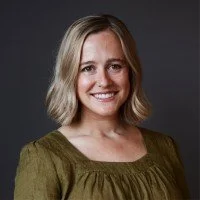
Haley Jones, University of Canterbury
Haley Jones is a PhD Candidate at the UC Business School, University of Canterbury, where her research explores regenerative agriculture through the lenses of stakeholder dynamics, food citizenship, and relational values of nature. Drawing on qualitative research with farmers, intermediaries, and consumers across Aotearoa New Zealand, her work explores how trust, values, and actor relationships shape the legitimacy and uptake of regenerative agri-food systems. She holds a Master of Environment and Society from the University of Waikato and brings prior experience in consumer and stakeholder insights from Plant & Food Research. Her research is funded by the Food Transitions 2050 scholarship.
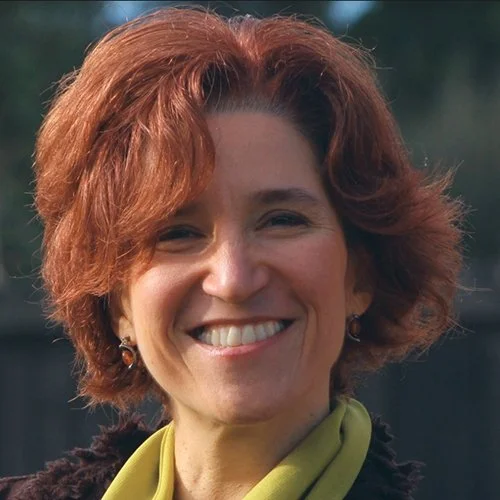
Dr. Gwen Grelet, Bioeconomy Science Institute
Dr. Gwen Grelet is a Senior Researcher in Regenerative Ecosystem Management (Land Use & Ecosystems) at the Bioeconomy Science Institute (formerly Manaaki Whenua – Landcare Research). Her research focuses on soil health, biodiversity, and regenerative land-use systems that enhance ecosystem function while supporting productive landscapes. Gwen works across disciplines to develop practical, science-based approaches that strengthen resilience, restore ecological integrity, and help land managers transition toward more sustainable and regenerative practices.
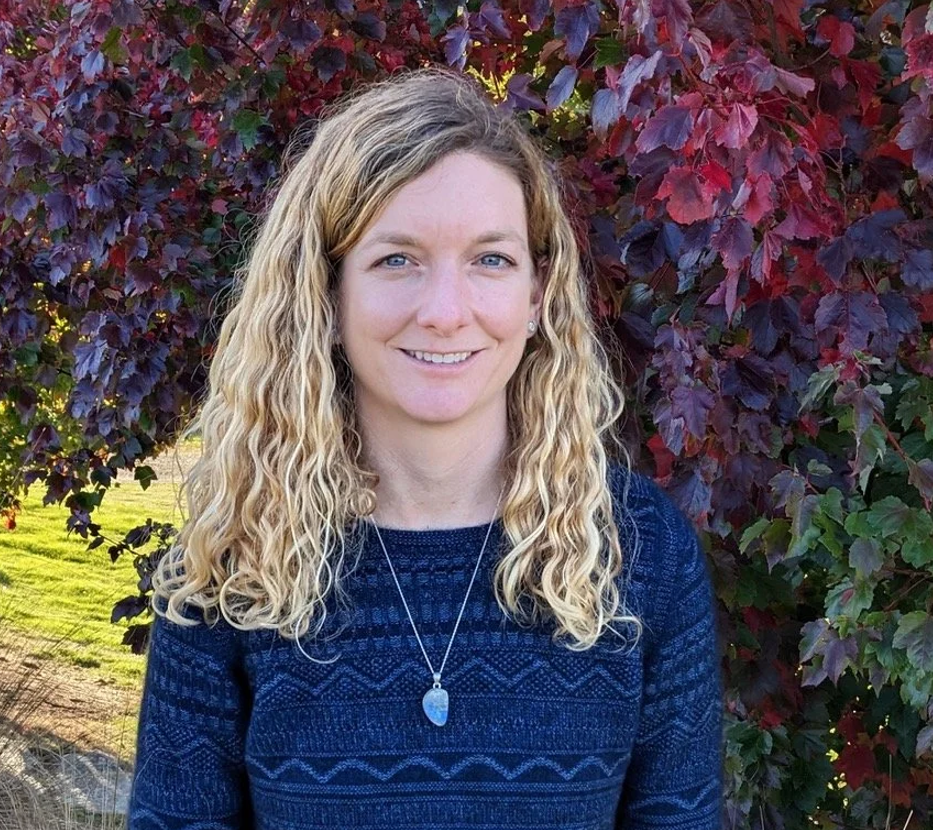
Clare Buchanan, AlignFarms
I am a Canadian born Kiwi who holds a B. Sci in Environmental Science, with a focus on Biodiversity and Conservation, from McGill University. I moved to New Zealand in 2014 to help my family’s farming business, Align Farms, meet the environmental compliance imposed by Canterbury’s Land and Water Regional Plan. After that was complete, I worked as a Farm Environmental Consultant for 5 years, as well as being the Demonstration Manager at Lincoln University Dairy Farm for 1.5 years before coming back to work for Align to lead a regenerative agriculture trial in August 2020. I am passionate about providing solutions to farmers to meet their environmental goals and this is part of why we make all our regenerative trial data and learnings publicly available on our website.
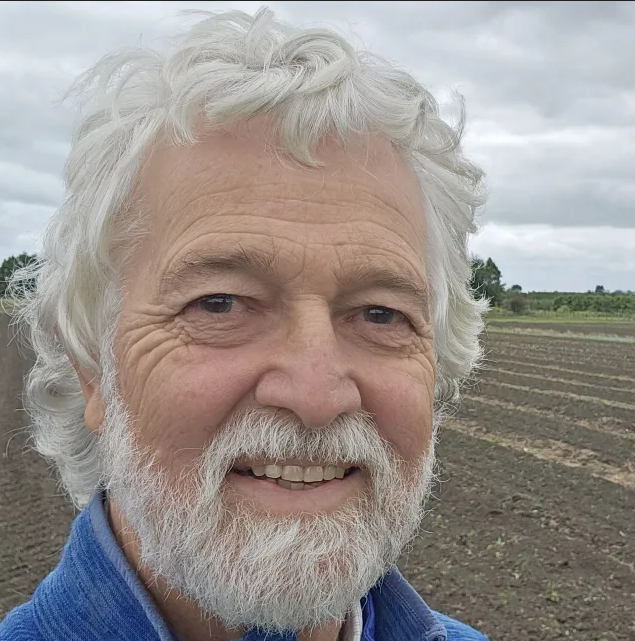
Dr Dan Bloomer, Landwise
Co-founder and manager of LandWISE since 1999, Dan’s career is diverse, with a constant theme of sustainable use of land and water resources. His post-graduate studies included an MScTech in innovation Management and adoption in the primary sector, and a PhD investigating the potential of ultra-low energy electric weeding. He brings experience across fresh and process vegetable growing, kiwifruit and arable production, to complement expertise in extension, soil health and efficient water management.
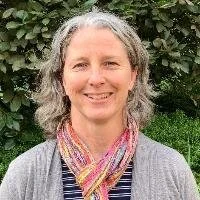
Assoc. Prof. Luy Burkitt, Massey University
My research focusses on soil health and nutrient management in pastoral agriculture, with a specific focus on loss of phosphorus and nitrogen from agricultural soils, water quality, strategies to attenuate/mitigate nutrient loss and diverse pasture and regenerative management impacts on soil health and environmental impacts. I am the Soil Research Lead for the Whenua Haumanu regenerative agriculture program and also co-ordinate undergraduate Integrated Farm and Environmental Management and both Intermediate and Advanced Freshwater Farm Planning professional development courses, and teach in to both the Intermediate and Advanced Sustainable Nutrient Management courses at Massey University.
Click here to see more events