
Energy is the critical foundation of modern society, powering everything from resource extraction, manufacturing, transport, food production, global trade and daily life. But with growing geopolitical tensions, supply disruptions, and the urgent need to reduce emissions, the stability of diesel and liquid fuel supply is increasingly under pressure — raising big questions about resilience, affordability, and the future pathways of modernity as we know it.
At the centre of this conversation is Dr Craig Anderson from the Bioeconomy Science Institute, whose work resides at the interface between earth and biological sciences where he attempts to understand how energy and resource flows support agroecosystem function. His research into aspects of ‘sustainable’ agriculture allowed deeper dives into studying the fragility of globalisation, and a broader systems perspective on what the current fuel challenges lead to for New Zealand and beyond.
In this Vibe session, Dr Craig Anderson will give an overview of the fundamentals of our fossil energy system, how energy system blindness is leading us to false assumptions about the scalability of ‘renewable’ energy and how stress in our energy and resource systems has already led to economic and geopolitical tension. Together we can then discuss the risks, the opportunities, and what businesses and communities should be thinking about as our energy and resource landscape rapidly evolves.
Join us to gain a clearer picture of the challenges ahead and discover how innovation in the bioeconomy could help power a more resilient future.
Thursday 23rd April
4.00pm-5.30pm
Pātiki, Waimarie Building, Lincoln University
Timings
4:00pm – Arrival and networking
4:10pm – Welcome from Prof. Chad Hewitt, Provost, Lincoln University
4:15pm – Overview on what LU is doing in this space
4:20pm – Keynote presentation - Dr Craig Anderson, Bioeconomy Science Institute
4:45pm – Q&A
5:00pm – Networking
5:30pm – Event concludes
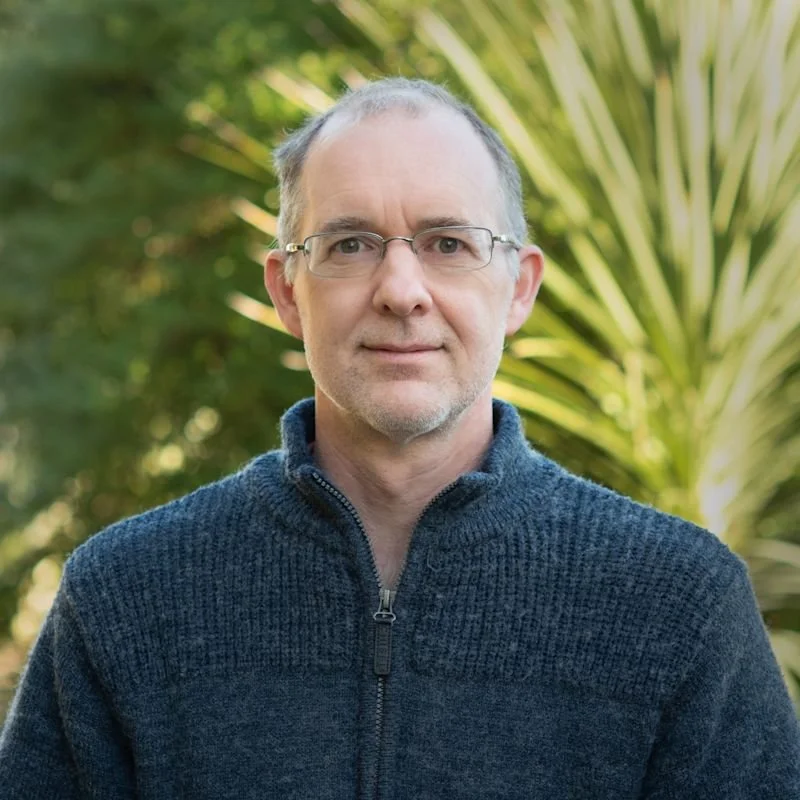
Dr Craig Anderson, Bioeconomy Science Institute
Interdisciplinary in life and work! After working on projects as varied as “how bacteria eat nuclear waste” to “coastal ecosystem nutrition” I drifted into biogeochemistry of soil a little over a decade ago. Using ‘-omics’, classical microbiology, biochemical and soil science methods, my research seeks to understand microbiological processes and extrapolates insights across multiple scales from atom to globe. I am also interested in energy as it underpins everything from cellular metabolism to geopolitics. If biology is the foundation for healthy functional ecosystems and energy is the master resource, what does this mean for agricultural production? Can we create truly sustainable production systems that allow people and planet to thrive?
Click here to see more events