
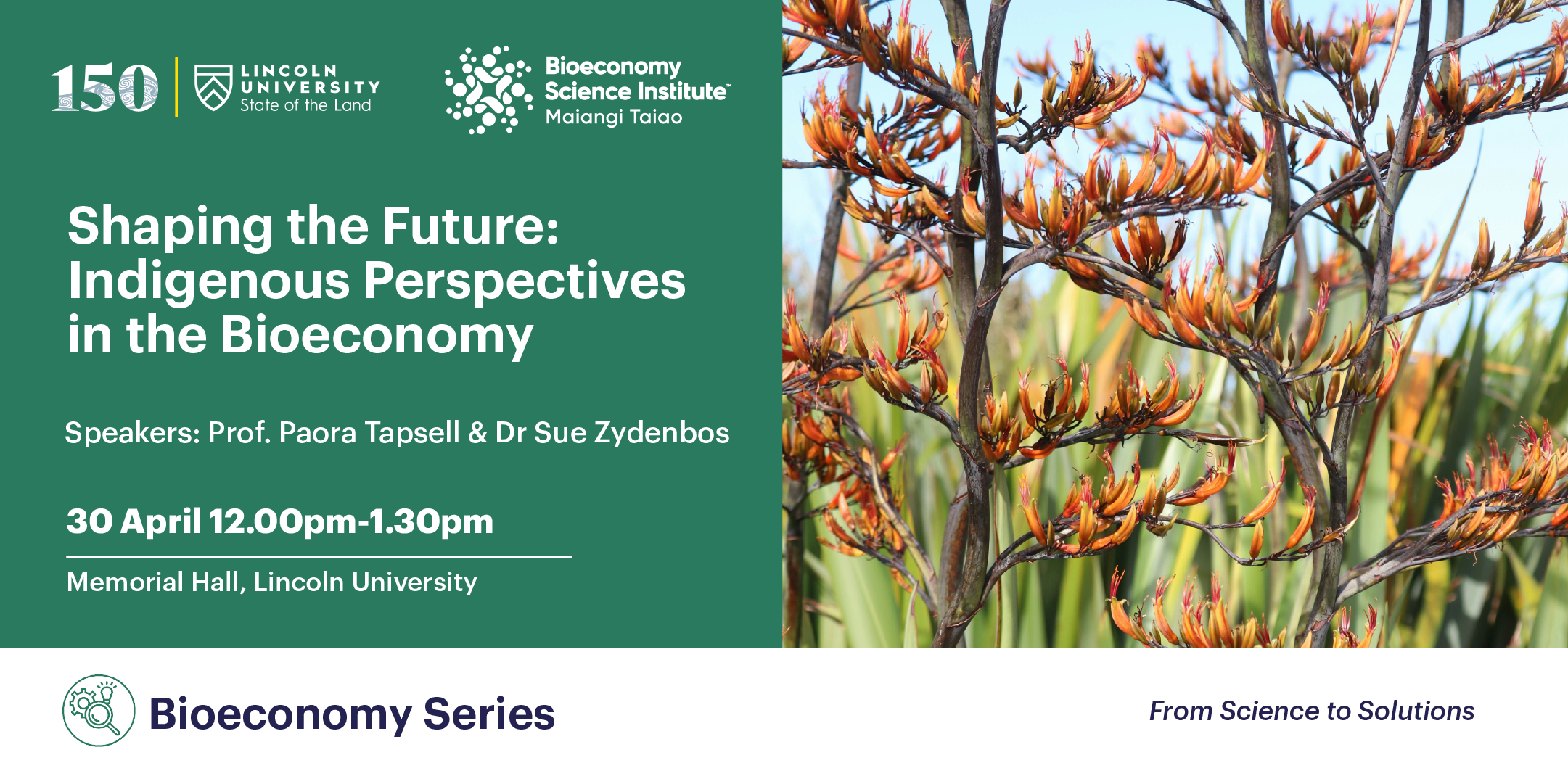
The Indigenous Bioeconomy is gaining increasing attention as Aotearoa New Zealand seeks to develop economic systems that are sustainable, resilient, and deeply connected to place. Grounded in Indigenous worldviews, this approach reframes the relationship between people, the environment, and economic activity, offering pathways that are both innovative and enduring.
An Indigenous Bioeconomy places people, whenua, and whakapapa at its core. It recognises Indigenous rights, knowledge systems, and long-standing relationships with the natural world, while prioritising intergenerational wellbeing over short-term gain. In practice, this can include Indigenous-led initiatives across biotechnology, food and fibre systems, natural products, and ecosystem services—underpinned by values such as kaitiakitanga, reciprocity, and collective benefit. As pressures from climate change, biodiversity loss, and resource constraints intensify, this framework provides compelling alternatives and enhancements to conventional bioeconomy models.
This session will explore how Indigenous knowledge, values, and governance approaches are shaping bio-based enterprises and influencing how natural resources are managed, valued, and regenerated. Professor Paora Tapsell will draw on his extensive experience at the intersection of Māori development, leadership, and innovation, highlighting how kaupapa Māori frameworks can guide bioeconomy initiatives that deliver cultural, environmental, social, and economic outcomes. Dr Sue Zydenbos from the Bioeconomy Science Institute will explore how science, policy, and industry can more effectively engage with and support Indigenous-led bioeconomy pathways to deliver impact.
Join us for a timely and thought-provoking discussion on how Indigenous perspectives are shaping the future of the bioeconomy in Aotearoa, and what this means for researchers, industry, policymakers, and communities working towards a more sustainable and inclusive future.
Thursday 30th April 2026
12.00pm-1.30pm
Memorial Hall, Lincoln University
Timings
12:00pm - Welcome and introductions
12:10pm – Presentation 1 – Prof Paora Tapsell, Lincoln University
12:25pm – Presentation 2 – Dr. Sue Zydenbos, Bioeconomy Science Institute
12:40pm – Moderated discussion and audience Q&A
1:10pm – Networking
1.30pm - Event Ends
About Our Speakers
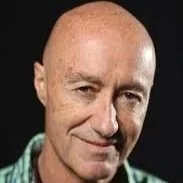
Prof. Paora Tapsell, Lincoln University
My areas of academic specialisation are Social Science (Anthropology, Museum Ethnography), Mātauranga (whakapapa-framed knowledge), and Climate Resilience (Indigenous Development), focusing on research engagement across kāika/kāinga (source marae communities and their urban-living kin) in Aotearoa and throughout wider Pacific, regarding issues of heritage protection, water security, food sovereignty and impact of climate change on health/wellbeing of tangata (Indigenous peoples), whenua (soils, waterways, forests and local ecologies) and moana (surrounding ocean). My goals include supporting Indigenous communities in Aotearoa and throughout the Pacific to (re)build and secure their social and economic wellbeing, resource sovereignty, and kin networks in the face of climate change.
I became a Companion of the Royal Society Te Apārangi (NZ) in 2024, a Board Member of the Health Research Council Of New Zealand, 2020-2024, an Eisenhower Fellow in 2005, and a Wenner Gren Foundation Scholar in 2003, 2010, 2015, and 2019.
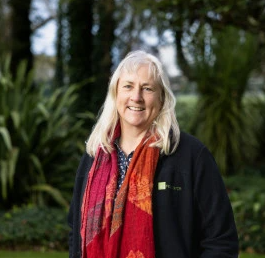
Dr Sue Zydenbos, Bioeconomy Science Institute
I grew up on a hill country sheep farm, and at Lincoln Uni gained B Agric Sci (Hons Plant Science) and PhD (Animal Biochemistry). My research has included grazed pasture dynamics, molecular regulation of sheep growth, gene expression in deer antler, insect pest biology and biopesticide development. I currently work with Māori partners to help them achieve aspirations for whenua and whānau. I am Team Leader Māori Research & Partnerships and oversee the “Future Farming Systems” Research Priority.
Click here to see more events